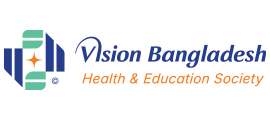
A cornerstone of SO2 is the deployment of environmentally sustainable WaSH infrastructure tailored to the needs of rural and refugee communities. The program installed 50 WaSH facilities, including deep tube wells and solar-powered water treatment systems, across target areas. These facilities serve approximately 35,000 people, providing reliable access to clean water and sanitation.
Recognizing the unique needs of women, children, and persons with disabilities, SO2
incorporated inclusive design principles into its sanitation facilities. Latrines were
equipped with lighting to enhance safety and accessibility, particularly for women and girls
who face risks when using facilities at night. These latrines are designed with ramps and
handrails to accommodate persons with disabilities, ensuring equitable access.
In schools, the program promoted sanitation by constructing gender-segregated latrines and
handwashing stations. These facilities encourage consistent hygiene practices among students
and reduce absenteeism, particularly among adolescent girls during menstruation. The
provision of safe, private sanitation spaces has fostered a culture of dignity and
inclusivity in target communities.
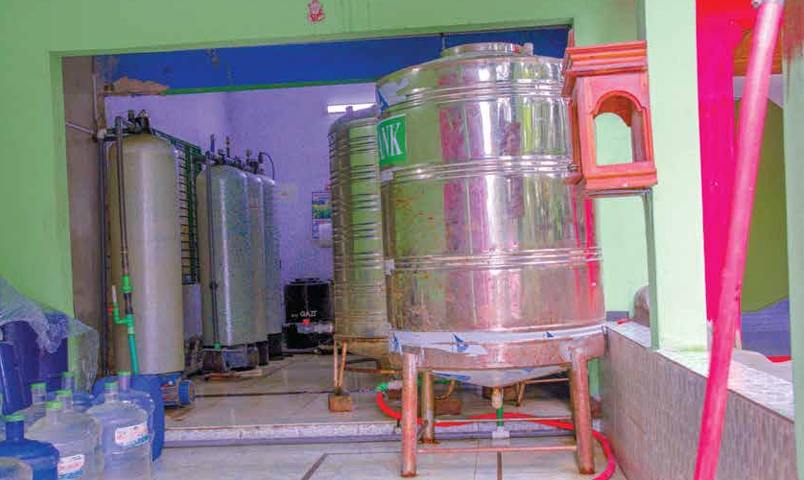
Menstrual hygiene is a critical yet often overlooked aspect of WaSH, particularly for adolescent girls in disadvantaged communities. SO2 addressed this gap by distributing MHM kits to 500 adolescents directly and also indirectly attend the yard and school class session and become learned about MHM awareness. These kits included reusable sanitary pads, soap, and educational materials, enabling girls to manage menstruation with dignity and confidence.
In southwest Bangladesh, particularly in coastal districts like Bagerhat, communities face significant health challenges due to poverty, food insecurity, and limited healthcare infrastructure. Maternal and child mortality rates in these areas is approximately 20% higher than the national average, driven by inadequate access to quality care, malnutrition, and preventable diseases. Under-5 malnutrition, particularly stunting, affects nearly 40% of children in these regions, impairing physical and cognitive development and perpetuating cycles of poverty. The Mother and Child Care Program was designed to address these issues through targeted, community-driven interventions that prioritize the most vulnerable stages of life: pregnancy, childbirth, and early childhood.
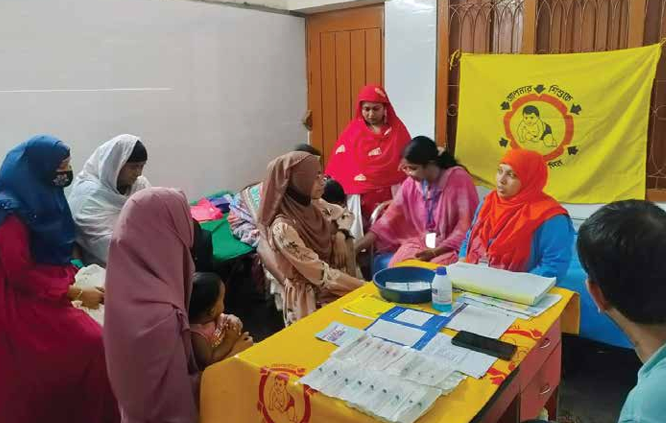
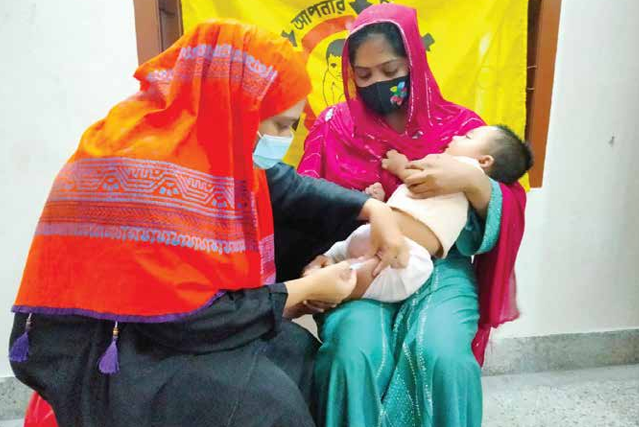
To protect children from preventable diseases, the program has integrated immunization services into its community-based approach. Around 90% of children under 5 in intervention areas have been vaccinated against diseases such as measles, polio, and diphtheria. Mobile immunization camps, staffed by trained health workers, reach remote villages, ensuring coverage even in geographically isolated areas. This has contributed to a significant reduction in illness-related mortality, with under-5 mortality rates dropping by an estimated 15% in targeted communities.
The program provides comprehensive antenatal and postnatal care to pregnant and lactating mothers, serving approximately 1,200 women annually. Regular check-ups, nutritional supplementation (e.g., iron and folic acid), and monitoring of high-risk pregnancies help detect and manage complications early. Postnatal care includes breastfeeding support, maternal health assessments, and guidance on newborn care. These services have reduced maternal complications by around 20%, ensuring safer pregnancies and healthier outcomes for both mothers and infants.
Safe delivery counseling is a cornerstone of the program, with trained health workers educating expectant mothers on the importance of skilled birth attendance. Approximately 85% of deliveries in intervention areas now occur in hygienic, well-equipped facilities, supported by partnerships with local health centers. Emergency referral systems ensure timely access to advanced care for high-risk cases, contributing to a roughly 25% reduction in maternal mortality rates in participating communities.
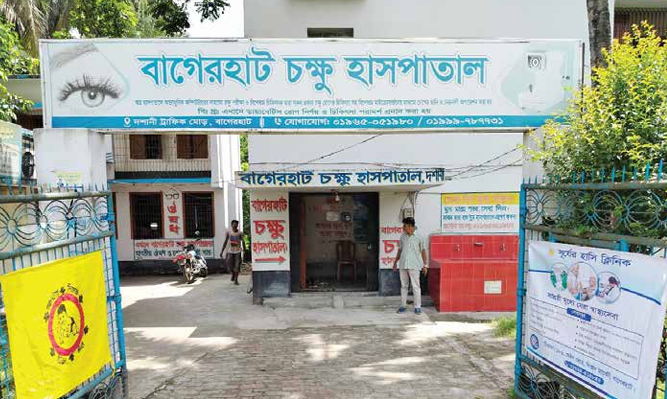
In Bagerhat, geographic isolation and economic constraints severely limit access to specialized eye care. Preventable and treatable eye conditions, such as cataracts and glaucoma, affect approximately 10% of the population, often leading to blindness, reduced productivity, and diminished quality of life. The Bagerhat Eye Hospital, established under VBHES, addresses these challenges by providing affordable, high-quality eye care to rural and peri-urban communities.
Sustainable WaSH outcomes depend not only on infrastructure but also on community adoption of hygiene practices. SO2 implemented comprehensive behavior change campaigns to promote handwashing, safe water storage, and proper sanitation. These campaigns were tailored to local cultural contexts, using participatory methods such as community workshops, theater performances, and peer-led discussions.
The behavior change initiatives benefited 15,000 individuals in communities in Cox's Bazar. By engaging community leaders, teachers, and youth groups, the program ensured that hygiene messages were disseminated effectively and sustained over time.
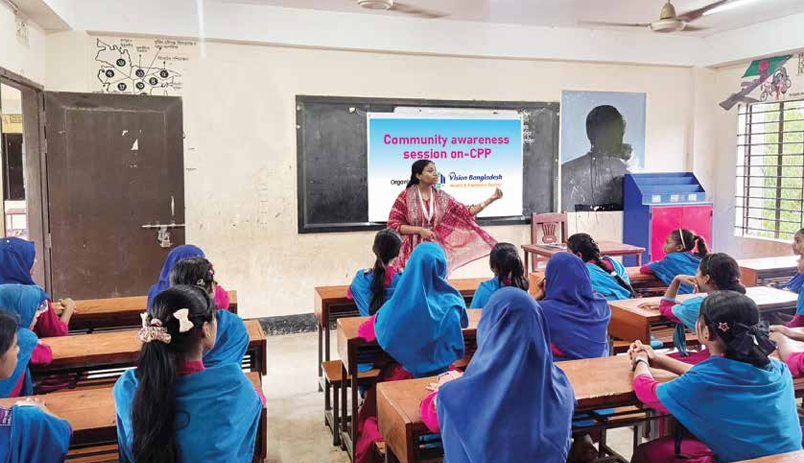
In Cox’s Bazar and other underserved areas of southwest Bangladesh, educational disparities are stark. Approximately 30% of children, particularly in rural and refugee communities, are out of school due to poverty, early marriage, and lack of infrastructure. Girls face heightened risks, with child marriage contributing to a dropout rate of nearly 25% among adolescent females. Limited access to electricity in rural schools restricts learning hours and digital education, while inadequate teacher training hampers quality instruction. The Education and Child Protection Program under SO4 addresses these challenges through inclusive education, child protection, and community-driven solutions, targeting the most vulnerable children in host and refugee communities.
Child Protection Education: VBHES signed Memoranda of Understanding (MoUs) with schools to implement child protection policies, training teachers and SMCs in safeguarding practices. These policies protect approximately 4,000 children from abuse, neglect, and exploitation.
The program has implemented ECCD initiatives for approximately 1,800 children aged 3–6, focusing on early learning, socialization, and cognitive development. Community-based ECCD centers provide play-based learning, nutrition support, and parental engagement sessions. These centers, staffed by trained facilitators, have improved school readiness, with about 85% of participants transitioning successfully to primary education. The holistic approach ensures children develop foundational skills in a nurturing environment, setting the stage for lifelong learning.
Resilient agriculture forms the cornerstone of SO1, addressing the challenges posed by climate change and environmental degradation. The program promotes climate-smart agricultural practices that enhance productivity, adaptability, and sustainability. Key activities include:
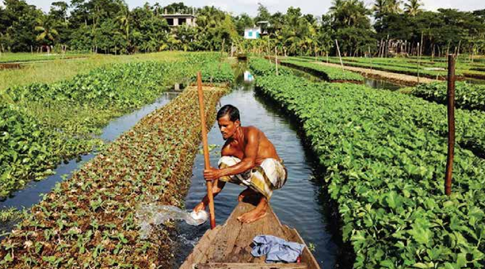
By equipping farmers with these tools and knowledge, the program enhances their ability to withstand environmental shocks and maintain stable livelihoods.
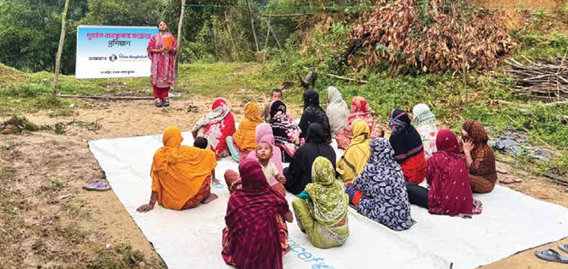
To reduce vulnerability in flood-prone and disaster-affected areas, the program conducts DRR awareness training and implements community-based resilience measures. Key activities include:
These measures have significantly reduced vulnerability and enhanced community resilience in high-risk areas.
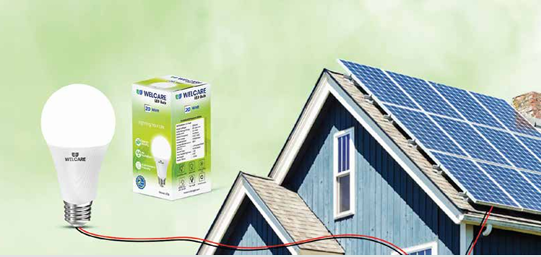
Through Welcare Power Ltd., the program expands access to clean energy, supporting both community infrastructure and household needs. Key achievements include:
In the southwest region of Bangladesh, where unemployment among young people—especially women—remains a pressing challenge, VBHES has launched a forward-looking initiative to harness the potential of Information and Communication Technology
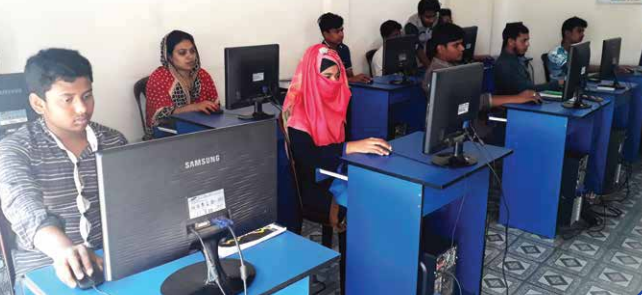
for Development (ICT4D). Through this program, nearly 600 youth from different areas of the Khulna division have received specialized training designed to equip them with digital skills relevant to both local and global markets. The initiative has facilitated the creation of community-level information and e-commerce hubs, which not only provide access to essential services and market information but also act as incubators for startup enterprises that address local needs. By learning digital entrepreneurship, online marketing, and service delivery, these young people are now able to establish and run small-scale businesses, offering everything from local produce sales to online customer services. In addition, the program's emphasis on outsourcing skills has opened up opportunities for remote work—particularly empowering for women, who can now participate in the digital economy without leaving their homes.
This approach not only reduces the barriers to employment in geographically isolated or socially restrictive environments but also contributes to financial independence and increased community participation for women. By combining skills training, entrepreneurship support, and access to digital infrastructure, the ICT4D initiative is transforming rural youth into drivers of innovation, economic growth, and social change in one of the most climate- and economically vulnerable regions of Bangladesh.
In collaboration with NeuraTech Ltd., VBHES trained approximately 200 youth in ICT, web development, and cybersecurity in Cox’s Bazar. These courses, offered through community tech hubs, equip participants with in demand skills for the digital economy. Approximately 60% of trainees have secured freelance or full-time roles, enhanced their economic prospects and contributed to community development.
© Copyright 2026 Vision Bangladesh. Developed By Neuratech Ltd.